
Eating the Rainbow: Your Guide to Vitamins A to Z
Updated: Aug 5

Alamin ang papel ng nutrisyon sa pagpapanatili ng iyong focus at sigla araw-araw!
Sa dami ng ating deadlines, work commitments, at araw-araw na responsibilidad, parang natural lang na tayo’y ma-stress at mapuyat. Kahit kumain tayo ng madami, puwede pa rin tayong manghina at mapagod kung hindi naman balanse ang ating diyeta. Kaya naman, mahalagang magkaroon ng sapat na bitamina at mineral sa ating pagkain lalo na para sa modernong Pilipinong may busy lifestyle.
Pero ano nga ba ang role ng bawat vitamin at mineral, at paano sila nakakatulong upang manatili tayong malusog, masigla, at focused?
VITAMIN A - For healthy eyes
Vitamin A supports healthy eyesight, helps the heart, lungs, and other organs work properly, and strengthens the immune system.
Food sources that contain Vitamin A include liver, fish, eggs, dairy products, oranges, red and yellow vegetables, sweet potatoes, and malunggay. Who might need supplementation? Those lacking access to a variety of fresh or animal foods, with conditions such as cystic fibrosis, pregnancy, or absorption issues from Crohn’s or celiac disease.

B-Vitamins - Your daily energy boosters
B-Vitamins include B1 (thiamine), B2 (riboflavin), B3 (niacin), B5 (pantothenic acid), B6 (pyridoxine), B7 (biotin), B9 (folate), and B12 (cobalamin). This vitamin supports metabolism, helps maintain the immune system’s health, along with the health of red blood cells and the skin, supports the nervous system and the heart, improves energy and boosts mood, stops molecules called free radicals from damaging your cells (especially vitamins B2 and B6), and helps in the production of sex- and stress-related hormones.
Food sources that are rich in B-Vitamins include asparagus, avocados, bananas, whole grains (such as brown rice), eggs, nuts (like almonds, peanuts, and sunflower seeds), greens, broccoli, sweet potatoes, beef, pork, chicken, turkey, Atlantic salmon, tuna, cheese, milk, and yoghurt. Who might need supplementation? Vegetarians, individuals on heartburn medication, those who have undergone weight loss surgery, people with irritable bowel or Crohn’s disease, and those with inadequate B vitamins from their diet.

Vitamin C – Your immunity warrior
Vitamin C is beneficial in strengthening the immune system against infection. It also promotes faster wound and bone healing, aids in collagen production for healthy skin, aids in iron absorption, and may prevent cataracts and maintain the health of our teeth. Food sources that are rich in Vitamin C include citrus fruits, strawberries, tomatoes, kiwi, red and green peppers, broccoli, green leafy vegetables, melons, mangoes, papayas, watermelons, cauliflower, cabbage, and pineapples. Who might need supplementation? People with restricted diets, smokers, those with alcohol use disorder, cancer, chronic kidney disease, pregnant or breastfeeding women, or individuals under high stress such as undergoing surgery or cold exposure.

Vitamin D - The sunshine vitamin
Approximately 1 billion people worldwide suffer from vitamin D deficiency, while nearly half of the population has vitamin D insufficiency.
Vitamin D is crucial for calcium absorption and maintaining normal levels of calcium and phosphorus. It also maintains the strength of teeth and bones, and reduces the risk of falls and fractures among the elderly. Vitamin D is also a helpful source to of vitamin that may prevent or reduce the risks of cardiovascular disease, type 2 diabetes, and cancer. It also helps in maintaining the nervous system, and plays a role in immunity. Vitamin D may also lower the severity of COVID-19 infection.
Sources of Vitamin D include early morning sunlight, fortified milk, fortified foods (such as fat spreads and breakfast cereals), oily fish (such as salmon, sardines, or mackerel), liver, beef, pork, chicken, cheese, and egg yolks. Who might need supplementation? Those who don’t get enough sunlight, those whose bodies aren’t properly absorbing or using vitamin D, people who have undergone weight loss surgeries, those with diseases like cystic fibrosis, Crohn’s disease, and celiac disease, those with obesity, those with darker skin, those who wear clothing with extensive skin coverage (especially in Middle Eastern countries), those who take medications like laxatives, steroids, cholesterol-lowering drugs, seizure-preventing drugs, rifampin, and orlistat, and the elderly.
Vitamin E - For skin and cellular protection
Vitamin E is a fat-soluble vitamin that exists in several forms, but only alpha-tocopherol is used by the body. It is also the only form capable of reversing a vitamin E deficiency. Vitamin E is known for protecting cells from oxidative damage caused by free radicals. It also keeps the skin healthy and youthful-looking by slowing the cellular aging process, supports reproductive and immune health, and reduces the risk of degenerative diseases such as cancer and heart disease.
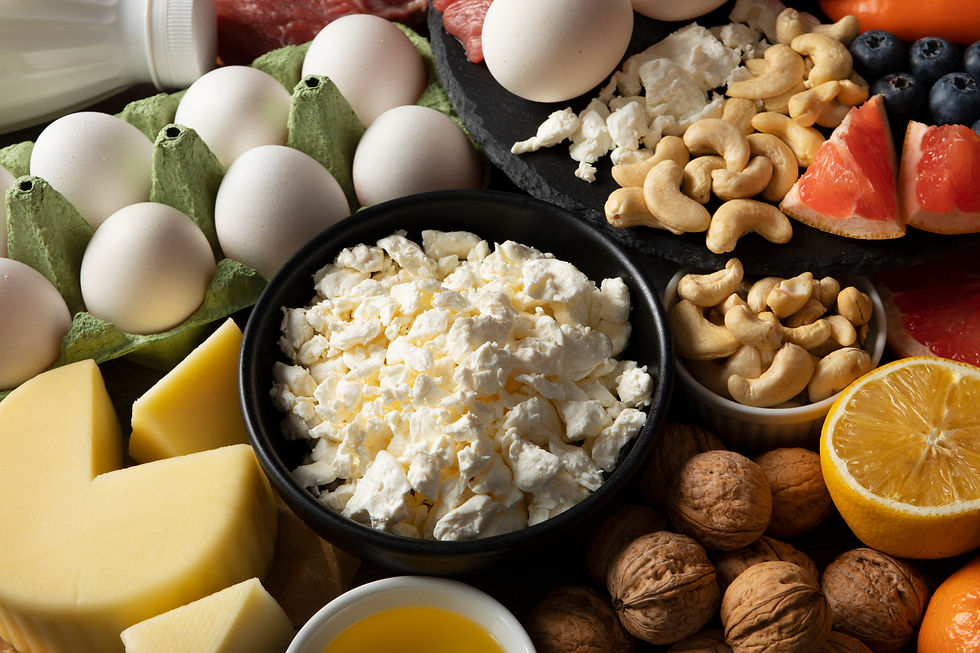
Food that are rich in Vitamin E include nuts and seeds (such as peanuts, peanut butter, hazelnuts, and almonds), seed oils (such as sunflower seed oils), fish (such as trout or salmon), vegetable oils (such as margarine, salad oil, and shortening), vegetables (such as broccoli, spinach, red peppers, and butternut squash), and fruits (such as avocados, mangoes, and kiwi). Who might need supplementation? Although deficiency is rare in humans, individuals with fat malabsorption syndromes, such as liver disease, cystic fibrosis, and Crohn’s disease, may be at risk of developing it. Pre-term infants are at high risk of deficiency and may develop hemolytic anemia because of it.

Vitamin K - For blood and bone health
Vitamin K is essential for our bodies as it helps in blood clotting and wound healing, and supports heart and bone health. Food sources that are rich in Vitamin K include green leafy vegetables (like broccoli, cabbage, spinach, celery, and lettuce), meat, dairy products, eggs, and soybeans. In addition, bacteria in the intestines help the body make Vitamin K. Who might need supplementation? Newborn infants, individuals with malabsorption syndromes and gastrointestinal disorders (such as ulcerative colitis, short bowel syndrome, Crohn’s disease, diarrhea, and celiac disease), those with cystic fibrosis, and individuals taking antibiotics for a period.

Essential Minerals – The unsung heroes
Zinc enhances immunity, aids wound healing, and lowers the risk of inflammation and certain age-related illnesses.
Iron supports oxygen transport and prevents anemia, and is also crucial for brain development, cellular function, physical growth, and the synthesis of certain hormones.
Magnesium helps the heart, kidneys, muscles, and nerves work properly. It also helps build proteins, regulate blood sugar, and blood pressure, and also aids in building strong teeth and bones.
Calcium is essential for strong bones and teeth. It sustains numerous bodily metabolic processes, and is crucial for sustaining nerve transmission and controlling the functions of the heart muscle.
Selenium protects against cell damage and supports thyroid health, and boosts the immune system and reduces inflammation.

Why Getting the Recommended Doses of Vitamins and Minerals Matters
Even with a balanced diet, many Filipinos find it hard to get all their daily nutrients because of busy schedules, diets high in processed foods, and irregular meal times. From Vitamin A to Zinc, your body needs a full range of nutrients to stay strong, sharp, and energized.
Make sure to eat a balanced diet, meet your daily recommended intake of vitamins and minerals, stay active with regular exercise, and get enough sleep so you can face each day feeling your best!
References
Office of Dietary Supplements. (2025). Vitamin A and carotenoids. National Institutes of Health. https://ods.od.nih.gov/factsheets/VitaminA-HealthProfessional/#:~:text=consumer%20fact%20sheet.-,Introduction,7%2C8%2C9%5D
Office of Dietary Supplements. (2025). Vitamin A and Carotenoids Fact Sheet for Consumers. National Institutes of Health. https://ods.od.nih.gov/factsheets/VitaminA-Consumer/#:~:text=professional%20fact%20sheet.-,What%20are%20vitamin%20A%20and%20carotenoids%20and%20what%20do%20they,dietary%20supplements%20is%20beta%2Dcarotene.
Cleveland Clinic professionals. (2025). Vitamin B complex capsules or tablets. Cleveland Clinic. https://my.clevelandclinic.org/health/drugs/23803-vitamin-b-complex-tablets-or-capsules
Durning, M. (2024). Health benefits of vitamin B complex. WebMD. https://www.webmd.com/diet/health-benefits-b-complex
Pruthi, S., M.D. (2025). Vitamin A. Mayo Clinic. https://www.mayoclinic.org/drugs-supplements-vitamin-a/art-20365945
Kubala, J. (2024). Benefits, side effects, and dosage of B-Complex vitamins. Healthline. https://www.healthline.com/nutrition/vitamin-b-complex
Food and Nutrition Research Institute. (2018). Philippine Dietary Reference Intakes: Summary Tables. Department of Science and Technology. https://www.fnri.dost.gov.ph/images/images/news/PDRI-2018.pdf
Pausanos, G. (2025). Are you getting enough Vitamin C? Department of Health, National Nutrition Council, Republic of the Philippines. https://nnc.gov.ph/visayas-region/are-you-getting-enough-vitamin-c/#:~:text=Pregnant%20women%20must%20take%20in,Pausanos%2C%20RND
National Institutes of Health, Office of Dietary Supplements. (2025). Vitamin C: Fact sheet for health professionals. NIH. https://ods.od.nih.gov/factsheets/VitaminC-HealthProfessional/#:~:text=of%20COVID%2D19.-,Introduction,present%20in%20plant%2Dbased%20foods.
Zelman, R. D. (2024). The benefits of vitamin C. WebMD. https://www.webmd.com/diet/features/the-benefits-of-vitamin-c
Cleveland Clinic. (2022). Vitamin D deficiency. Cleveland Clinic. https://my.clevelandclinic.org/health/diseases/15050-vitamin-d-vitamin-d-deficiency
NHS. (2020). Vitamin D. NHS. https://www.nhs.uk/conditions/vitamins-and-minerals/vitamin-d/
National Nutrition Council. (2025). Get to know your vitamin D! Republic of the Philippines Department of Health. https://nnc.gov.ph/luzon-region/get-to-know-your-vitamin-d/#:~:text=In%20the%20Philippine%20Dietary%20Reference,aged%2060%20years%20and%20above.
Lewis, E. D., Meydani, S. N., & Wu, D. (2019). Regulatory role of vitamin E in the immune system and inflammation. IUBMB Life, 71(4), 487–494. https://doi.org/10.1002/iub.1976
National Nutrition Council. (2025). Get to know your vitamin E! Department of Health, Republic of the Philippines. https://nnc.gov.ph/luzon-region/get-to-know-your-vitamin-e/
Jones, R. D. N. (2024). 30+ foods that are high in vitamin E. Healthline. https://www.healthline.com/nutrition/foods-high-in-vitamin-e
National Nutrition Council. (2025). Get to know your vitamin K! Republic of the Philippines Department of Health. https://nnc.gov.ph/luzon-region/get-to-know-your-vitamin-k/#:~:text=Did%20you%20know%20that%20adding,membrane%2C%20and%20red%20blood%20cells.
Cleveland Clinic. (2023). Vitamin K deficiency. Cleveland Clinic. https://my.clevelandclinic.org/health/diseases/21132-vitamin-k-deficiency-bleeding
Office of Dietary Supplements. (2022). Zinc: Fact Sheet for Consumers. National Institutes of Health. https://ods.od.nih.gov/factsheets/Zinc-Consumer/#:~:text=of%20COVID%2D19.-,What%20is%20zinc%20and%20what%20does%20it%20do?,the%20proper%20sense%20of%20taste.
Gaas, M. C. (2025). How essential is zinc? Department of Health, National Nutritional Council, Republic of the Philippines. https://nnc.gov.ph/mindanao-region/how-essential-is-zinc/#:~:text=Indeed%2C%20this%20nutrient%20is%20needed,only%20take%20supplements%20when%20necessary
DMO II Bianca Estrella. (2025). Mineral in focus: Iron. Republic of the Philippines, Department of Health, National Nutrition Council. https://nnc.gov.ph/luzon-region/mineral-in-focus-iron/#:~:text=Iron%20plays%20a%20vital%20role,premature%20birth%20and%20still%20birth.
NO I Kimberly Tanador, RND. (2025). Importance of magnesium-rich foods. Republic of the Philippines, Department of Health, National Nutrition Council. https://nnc.gov.ph/mindanao-region/importance-of-magnesium-rich-foods/#:~:text=Importance%20of%20Magnesium%2Drich%20Foods,help%20to%20prevent%20certain%20cancers.
Gaas, M.-C. (2025). Magnesium deficiency signs and symptoms. Department of Health, National Nutrition Council, Republic of the Philippines. Retrieved from https://nnc.gov.ph/mindanao-region/magnesium-deficiency-signs-and-symptoms/#:~:text=Magnesium%20deficiency%20can%20result%20in,symptoms%20should%20consult%20a%20doctor
ND II Raya Faith Luce (2025). Roles of calcium in our body. Department of Health, National Nutrition Council. https://nnc.gov.ph/visayas-region/roles-of-calcium-in-our-body/#:~:text=Roles%20of%20calcium%20in%20our,it%20aids%20in%20calcium%20absorption.
DMO II Karla Calapardo. (2025). How much selenium do you need and what is it? Department of Health, National Nutrition Council. https://nnc.gov.ph/mindanao-region/how-much-selenium-do-you-need-and-what-is-it/
Related Product




Comments